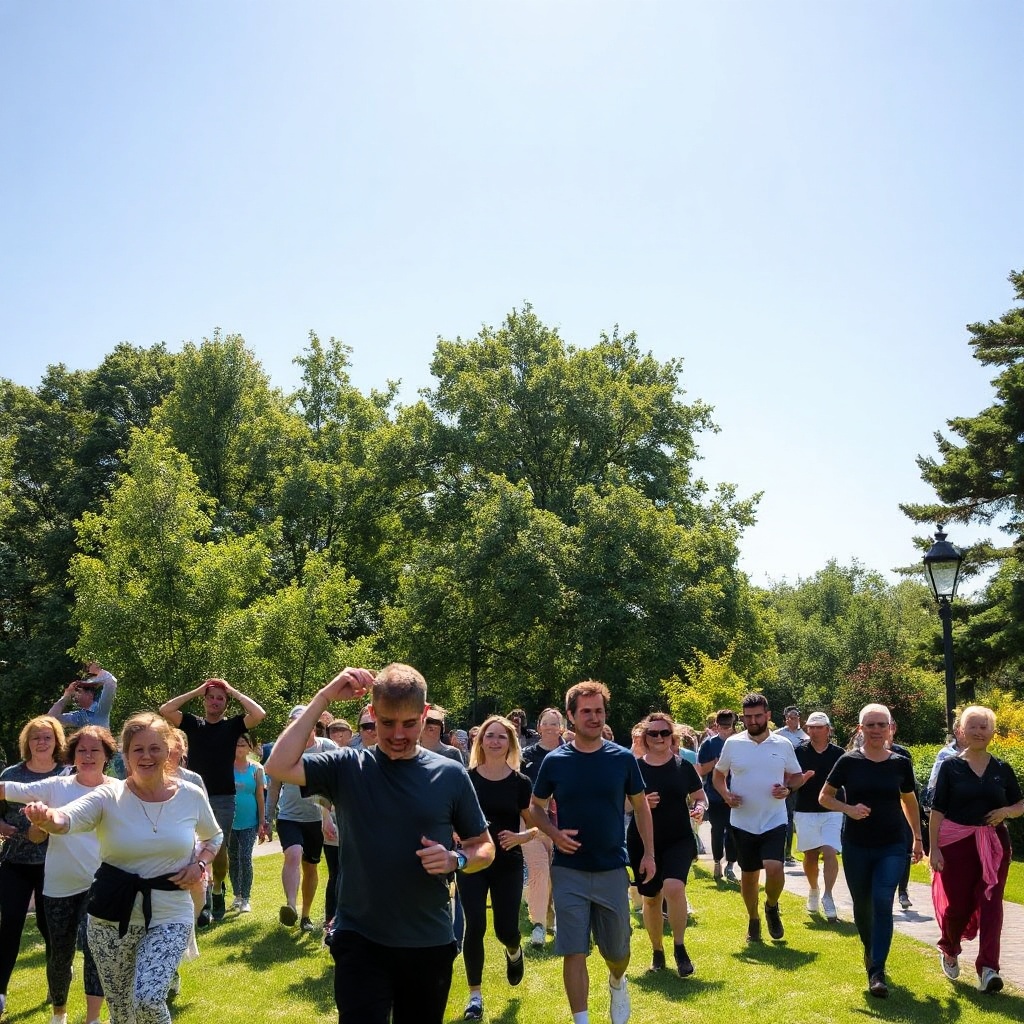
Regular physical activity supports overall health, mood, sleep, and longevity. This guide covers the main types of exercise, safety tips for getting started, and simple strategies to make movement a sustainable part of your daily life. If you have existing health conditions, consult a healthcare professional before beginning a new routine.
-
Benefits of Regular Activity
Being active can help improve cardiovascular fitness, build strength and flexibility, boost energy and mood, support healthy weight management, and promote better sleep. Even moderate activity done consistently contributes to long-term health.
-
Types of Exercise
Include a mix of aerobic (walking, cycling, swimming), strength (weights, resistance bands, bodyweight), flexibility (stretching, yoga), and balance exercises. Public health guidance suggests aiming for at least 150 minutes of moderate aerobic activity or 75 minutes of vigorous activity per week, plus muscle-strengthening activities on two or more days.
-
Getting Started Safely
Begin gradually and prioritize proper warm-up and cool-down. Learn correct technique, increase intensity or duration slowly, and include rest days to recover. If you experience unusual chest pain, fainting, or severe shortness of breath, stop and seek medical attention.
-
Staying Motivated & Making It a Habit
Set realistic, specific goals, schedule activity like any appointment, vary your routine to avoid boredom, and enlist friends or groups for accountability. Track small wins, celebrate consistency, and adapt your plan as life and fitness improve.